
A rebrand can start to fail long after the launch film, when the first regional team needs to make a normal piece of work.
The problem is rarely a lack of taste. The new identity may look excellent in the launch deck. It may have a beautiful film, a sharp typeface and a satisfying explanation of the logo. Then the work reaches an email, a retail sign, a social post, a sales presentation or a product page. Someone makes a reasonable decision under time pressure. The system starts to fragment.
That is the real test of a rebrand. Not whether it photographs well, but whether it makes ordinary touchpoints easier to recognise and easier to make.
Coca-Cola’s global refresh, announced in July, is useful for that reason. It did not introduce a new set of visual cues from scratch. It made the familiar ones more prominent: red and white, the Dynamic Ribbon, Arden Square and the script. Just as importantly, the company paired the system with a brand centre and design tools for its internal teams and agencies.
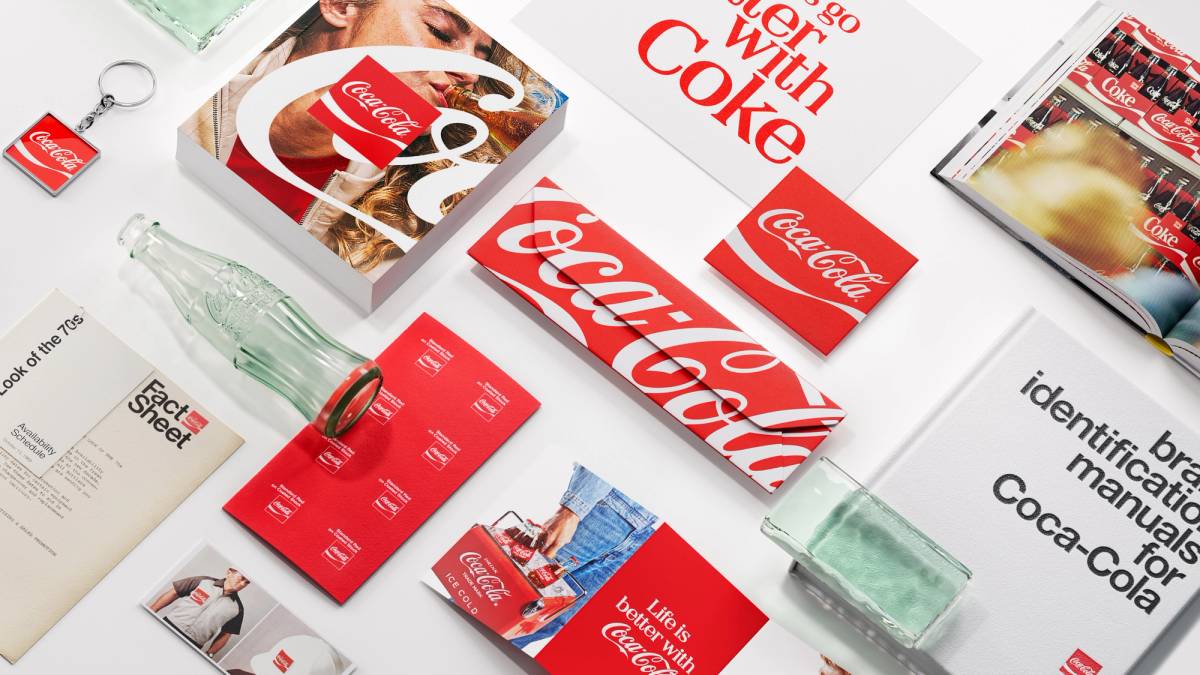
The lesson is not that every brand should preserve its existing assets. Some businesses do need a clearer break from the past. The lesson is that a visual identity is an operating system. Its value lies in what it helps people do when the brand team is not in the room.
Before approving a rebrand, ask four questions.
First, which assets would a customer recognise if the logo were removed? If the answer is unclear, the work may be stylish but not distinctive.
Second, where will those assets be used most often? Packaging and social content do not have the same constraints. A system that works only in a campaign frame is not yet a system.
Third, who will make the next thousand pieces of work? The design team may understand the rules instinctively. Retail teams, agencies and regional markets need them to be legible.
Finally, what gets easier after launch? If the new identity adds approvals, exceptions and debate to routine work, it is not earning its keep.
A rebrand should give a business more control without making the work more bureaucratic. It should help a customer recognise the brand before they have processed every word. And it should leave the people making everyday materials with better decisions, not a longer PDF.
The question to put in the next identity review is simple: could a good regional team make a recognisable piece of work on a busy Tuesday morning? If not, the launch is ahead of the system.